

What is Food Safety Management System Software and How Can It Help Businesses?
Food safety management system software is a digital platform that automates and streamlines compliance tracking, quality control processes, and safety monitoring for food businesses. These solutions replace manual, paper-based systems with intelligent tools that monitor critical control points, manage records, and ensure regulatory adherence in real-time.
Why Compliance and Quality Control Matter
Compliance and quality control are essential for any successful food operation. A single mistake in temperature monitoring or documentation can lead to foodborne illness outbreaks, regulatory penalties, and irreparable damage to brand reputation.
The Limitations of Traditional Methods
Traditional methods of maintaining HACCP compliance—clipboards, paper logs, and manual checks—leave businesses vulnerable to human error and inconsistent record-keeping.
How Digital Transformation Helps
Digital transformation through food safety management system software addresses these vulnerabilities directly. The technology turns reactive safety measures into proactive systems:
- Automated monitoring eliminates gaps in temperature tracking and critical control point oversight
- Real-time alerts notify staff immediately when parameters fall outside safe ranges
- Centralized digital records provide instant audit readiness and complete traceability
- Standardized workflows ensure every team member follows identical safety protocols
This shift from paper to digital doesn’t just simplify compliance and quality control—it fundamentally strengthens food safety infrastructure while reducing the administrative burden that traditionally consumes valuable staff time and resources.
What Challenges Do Food Businesses Face in Compliance and Quality Control?
Food businesses face several challenges when it comes to compliance and quality control, especially when relying on manual Hazard Analysis and Critical Control Points (HACCP) systems. Here are some of the key difficulties they encounter:
1. Compliance Challenges
With manual HACCP systems, food businesses struggle with compliance challenges due to the following reasons:
- Staff members are responsible for physically completing temperature logs, sanitation checklists, and receiving records during each shift. This reliance on manual processes creates opportunities for forgotten entries or rushed documentation, particularly during busy periods.
- Human error in manual record-keeping poses a direct threat to compliance with food safety regulations. For instance, if a temperature check is missed, it could result in food being left in the danger zone without anyone noticing.
- Delayed documentation becomes an issue when problems are not identified until hours after they occur. This delay can potentially impact multiple batches of food or service periods, leading to violations of health codes and failed audits.
2. Quality Control Issues
Using paper-based monitoring introduces significant quality control issues that worsen over time:
- Lost or damaged documents eliminate critical audit trails, making it difficult to trace back any quality-related issues.
- Illegible handwriting creates confusion during inspections, as it becomes challenging to understand the recorded information.
- Missing signatures leave gaps in accountability, making it unclear who was responsible for specific tasks or checks.
- Storage limitations make retrieving historical records time-consuming, hindering quick access to important information when needed.
- The absence of backup systems means that spills or fires can result in permanent data loss, further compromising quality control efforts.
These challenges can have serious consequences for food businesses, including health code violations, failed audits, product recalls, and damage to their reputation that erodes customer confidence.
How Does Food Safety Management System Software Simplify Compliance?
1. Digital HACCP Plans for Centralized Documentation
Digital HACCP plans eliminate the chaos of paper documentation by centralizing all food safety protocols in one accessible platform. Staff can update temperature logs, cleaning schedules, and corrective actions directly into the system, creating an immediate digital trail that’s searchable and organized.
2. Automated Compliance Tracking for Efficient Management
Automated compliance tracking handles repetitive tasks that once consumed hours of management time. The software automatically:
- Generates required reports based on logged data
- Schedules recurring safety checks and sends reminders
- Flags missing entries or incomplete documentation
- Calculates compliance scores across multiple locations
3. Real-Time Monitoring for Streamlined Audits
Real-time monitoring transforms audit preparation from a stressful scramble into a streamlined process. Inspectors can view complete safety records within seconds, with data automatically time-stamped and linked to specific team members. The system maintains a continuous compliance posture rather than requiring last-minute documentation reviews, while version control ensures every policy update is tracked and retrievable for regulatory verification.
What Key Features Enable Effective Quality Control with This Software?
1. Inventory Management and Supplier Approval Modules
These features form the foundation of ingredient safety by tracking products from source to service. They allow businesses to:
- Verify supplier credentials
- Monitor expiration dates
- Maintain detailed records of all incoming ingredients
This creates a complete chain of custody for every item in stock.
2. Environmental Monitoring through Wireless Temperature Sensors
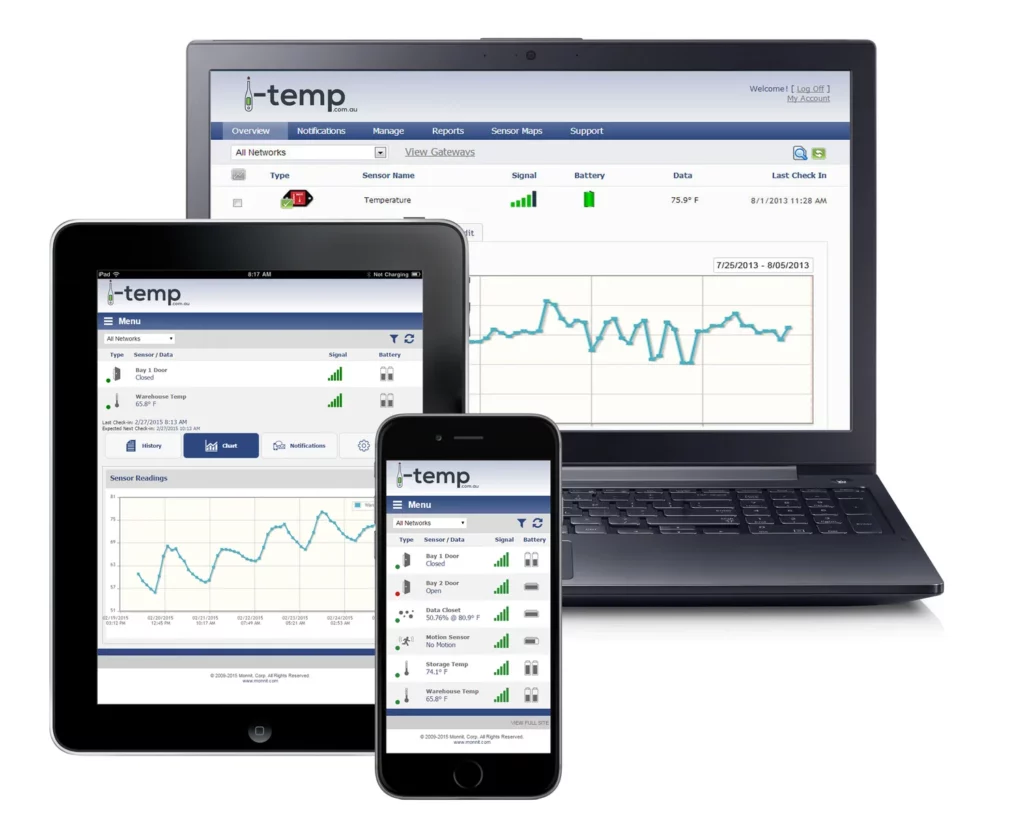
This feature provides continuous oversight of critical control points. The system sends instant alerts when temperatures drift outside safe parameters, enabling immediate corrective action before food safety is compromised. This real-time capability eliminates the gaps inherent in manual temperature logging.
3. Customizable Checklists
These checklists adapt to specific regulatory requirements, whether HACCP, FDA, or local health codes. Businesses can configure workflows for:
- Daily opening procedures
- Cleaning schedules
- Equipment maintenance
4. Pest Control Tracking
This feature integrates seamlessly, documenting inspection findings and treatment schedules.
5. Hazard Analysis Tools
These tools systematically identify potential risks throughout operations, from receiving to service. The software guides users through risk assessment protocols, ensuring nothing falls through the cracks while maintaining complete documentation for regulatory review.
How Does Cloud-Based Storage Enhance Food Safety Management?
Cloud storage, such as that offered by Google Cloud, transforms food safety record-keeping by eliminating physical filing systems and creating a single source of truth for all compliance documentation. Centralized records live on secure servers with automated backups that protect against data loss from hardware failures, natural disasters, or human error.
Version Control and Audit Trails
Version control capabilities track every modification to safety protocols, showing who made changes and when. This audit trail proves invaluable during regulatory inspections, demonstrating your commitment to maintaining accurate, up-to-date procedures. Data security features include encryption, role-based access controls, and compliance with industry standards like ISO 27001, as outlined in NIST’s Special Publication.
Effortless Audit Readiness
Audit readiness becomes effortless when inspectors request documentation—managers can retrieve years of temperature logs, cleaning records, or supplier certifications within seconds rather than searching through filing cabinets. Regulatory requirements often mandate retention periods of 2-5 years; cloud systems automatically preserve records for the required duration.
Mobile Accessibility for On-the-Go Management
Mobile accessibility means food safety managers can review critical data from anywhere using smartphones or tablets. Kitchen staff can complete digital checklists on-site, with information instantly syncing to the central database for immediate visibility across all locations.
What Operational Benefits Do Food Businesses Gain from Using This Software?
Food safety management software delivers measurable improvements in operational efficiency by automating repetitive tasks and eliminating time-consuming paperwork. Staff spend less time filling out forms and more time focusing on food preparation and customer service.
Cost Reduction
Cost reduction becomes immediately apparent through several channels:
- Elimination of printing, storage, and filing expenses for paper records
- Reduced labor hours previously dedicated to manual data entry
- Fewer compliance violations that could result in fines or closures
- Minimized food waste through better temperature monitoring and inventory control
Labor Productivity
Labor productivity increases when employees use automated checklists and digital workflows instead of searching for paper forms or deciphering handwritten notes. The software guides staff through required tasks systematically, reducing training time for new employees.
Audit Preparedness
Audit preparedness improves dramatically as all records remain organized, searchable, and instantly retrievable. Businesses can generate comprehensive compliance reports within minutes rather than scrambling through filing cabinets during inspections. This readiness reduces audit stress and demonstrates professionalism to regulatory authorities.
How Does the Software Support a Strong Food Safety Culture and Customer Trust?
Food safety culture strengthens when digital systems make compliance visible and measurable across all team levels. The software creates accountability by tracking individual task completion, generating performance reports, and identifying training gaps. Staff members receive automated reminders for critical checks, ensuring compliance adherence becomes routine rather than reactive.
Proactive monitoring prevents violations before they escalate. Real-time alerts notify managers immediately when temperatures drift outside safe zones or when scheduled inspections are missed. This instant visibility allows for corrective action within minutes, not hours or days after an incident occurs.
Customer trust grows when businesses can demonstrate their safety commitment through verifiable records. During health inspections or customer inquiries, managers access complete audit trails instantly. Many establishments display their digital monitoring dashboards publicly, showing live temperature readings and recent inspection scores. This transparency transforms food safety from a behind-the-scenes requirement into a competitive advantage that attracts quality-conscious consumers.

Which Types of Food Businesses Can Benefit Most from This Technology?
Can any food business use food safety management software effectively? The technology adapts to diverse operational models, making it valuable for restaurants, cafes, pubs, supermarkets, and manufacturers alike. Each sector leverages the software’s versatility to address unique compliance challenges.
- Restaurants and cafes benefit from temperature monitoring during food preparation and storage, while customizable checklists streamline daily opening and closing procedures.
- Pubs utilize supplier approval modules to verify ingredient sourcing and maintain beverage quality standards.
- Supermarkets manage complex inventory across multiple departments, tracking products from receiving docks to display cases with automated expiration alerts.
- Manufacturers achieve the most comprehensive transformation, implementing end-to-end traceability from raw material intake through production lines to final packaging.
A bakery chain reduced compliance violations by 67% within six months by digitizing batch tracking and allergen management. Catering operations serving multiple locations centralize safety protocols through cloud access, ensuring consistent standards across all kitchens regardless of geographic spread.
Conclusion
Food safety management system software is a smart investment for businesses that strive for excellence. Digital solutions make it easier to comply with food safety management system software by turning complicated rules into simple, automated tasks. This technology solves current problems and gets operations ready for future standards and consumer expectations.
By using these systems, food businesses can stay ahead of regulatory changes and market demands. Switching from manual tasks to intelligent automation protects brand reputation, lowers operational risks, and shows accountability to customers and auditors. Make compliance and quality control easier with food safety management system software to create strong operations that succeed in a world where industries are becoming more regulated.
Click here: How Food Safety Traceability Software Protects Consumers and Brand Reputation
